Valorant aim that stays calm in 2026 comes down to Rawzu's low cortisol setup
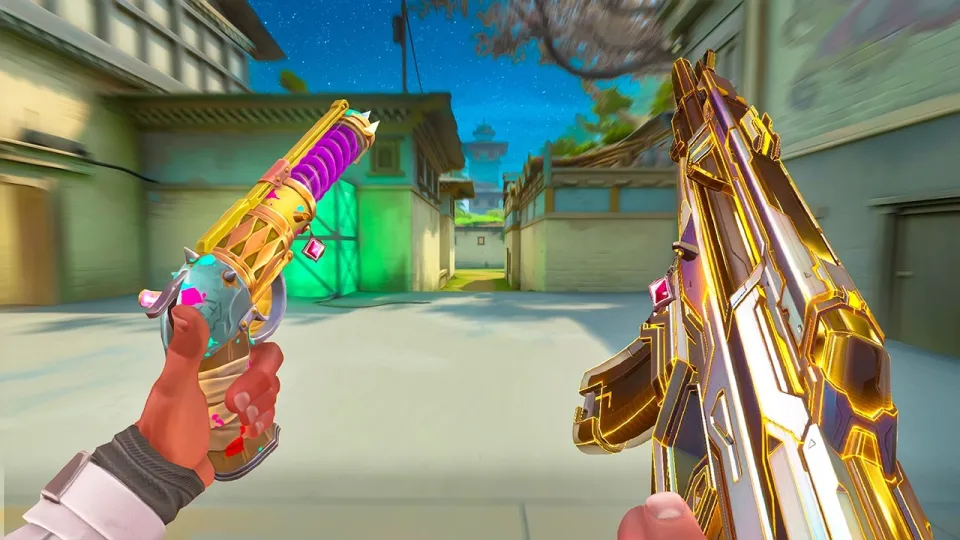
Video: low cortisol aim..
Want articles like this for your own video to promote it on YouTube and Google? Order them through the Telegram bot @sat_sit_bot. Articles with your video embedded are written and posted by the bot itself — on popular topical sites (no ads). Free trial — 50 articles.
· based on the channel Rawzu
Valorant aim feels calm when the setup stops fighting you: a stable sensitivity, a crosshair you can read at a glance, and a mouse-and-pad combo that behaves the same every session. Rawzu's "low cortisol aim" video leans on exactly that idea, pairing a 400 DPI / 0.625 sensitivity with a 1440x1080 stretched resolution and a Phoenix duelist playstyle. If you want the same low-stress feel, start by matching the hardware side, then rebuild the habits — and you can optimize your PC for Valorant before you touch anything else.
What does "low cortisol aim" mean in Valorant
Low cortisol aim is the practice of aiming in a way that keeps your heart rate and grip pressure down, so your first shot is repeatable instead of a panic flick. In Valorant terms, that means crosshair placement does most of the work, the mouse never leaves the pad, and the player commits to a fight only after an ability has already tilted it in their favor. Rawzu's framing is a reaction to the usual highlight-clip style: instead of 180-degree flicks, the footage trades on smooth tracking, small micro-adjustments and clean one-taps that look almost boring until you try to copy them.
The physiological part is real enough. High grip tension stiffens the wrist and forearm, which kills the fine control needed for a 20-pixel head adjustment at 30 meters. Calm aim is not about having no reaction — it is about keeping the reaction small enough that the crosshair lands where you already expected the enemy to be.
Rawzu's exact Valorant settings and peripherals
Rawzu's configuration is built around consistency rather than speed, and every value is low-friction to reproduce. The full list from the video description:
- Sensitivity: 400 DPI with 0.625 in-game, a relatively low effective sensitivity that rewards arm movement and stable crosshair placement.
- Resolution: 1440x1080, a stretched 4:3-style aspect that widens player models and makes heads easier to read.
- Crosshair: 1-6-2-2 — a compact, thin setup with a small gap that keeps the center of the screen uncluttered.
- Mouse: Logitech G Pro X Superlight 2, a lightweight wireless shape that suits low-sensitivity swipes.
- Mousepad: Artisan Zero Soft, a control-oriented cloth pad that adds stopping power for micro-adjustments.
- Monitor: Zowie XL2566K at 360Hz, which only pays off if the game actually holds high frame rates.
That last point is the one most players skip. A 360Hz panel does nothing if Valorant dips into the low hundreds during a smoke-heavy retake, and inconsistent frame times make aim feel jittery even when the sensitivity is perfect.
Why the Artisan Zero and Superlight 2 pairing matters for calm aim
A control pad plus a lightweight mouse is the classic low-cortisol combination because it separates speed from stopping power. The Superlight 2 keeps the initial swipe effortless, while the Artisan Zero Soft gives the pad enough friction to kill the mouse the instant your arm stops. On a fast pad, the same swipe overshoots and you compensate with a tense second correction — the exact habit that makes aim feel frantic.
If you are copying the setup, do not change both variables at once. Move to the control pad first and keep your current sensitivity for at least a week, then adjust the in-game value only if you consistently undershoot. The 400 DPI / 0.625 pair is a starting reference, not a law: what matters is that your 180-degree turn fits comfortably inside one arm swipe across the pad.
How Phoenix supports a calm, aggressive playstyle
Phoenix is an offensive duelist who specializes in hunting enemies down while crippling their ability to fire back, which makes him a natural fit for controlled aggression. His kit lets you decide the terms of a fight before the aim duel starts:
- Curveball blinds enemies even when they are tucked behind corners, so you can swing with an information advantage instead of guessing.
- Blaze creates a wall that blocks vision and deals damage, letting Phoenix cross open, defended ground without walking into a crossfire.
- Hot Hands applies area damage and healing pressure, forcing enemies to move out of comfortable positions.
- Run it Back gives Phoenix a second life, which removes the fear that normally causes over-gripped, panicked aim.
The last ability is the psychological core of low cortisol aim. When a death is not final, players stop rushing their shots — and rushed shots are where most Valorant aim falls apart.
Building a repeatable warmup instead of chasing flick clips
A calm aim routine is short, identical every day, and measured, so improvement is visible instead of assumed. A practical 10–15 minute block before ranked:
- Two minutes of straight-line tracking on a static target to wake up the arm, not the wrist.
- Three minutes of one-tap drills at range, focusing on stopping the crosshair dead rather than flicking fast.
- Three minutes of counter-strafe shooting: move, stop, fire, reset. Valorant punishes shooting while moving, so the stop is the skill.
- Two minutes of close-range micro-adjustments to simulate a Phoenix entry after a Curveball.
- One Deathmatch with a single rule: no fights without an ability used first.
Skip the 30-minute aim-trainer marathon. Long routines raise tension and fatigue, which is the opposite of the goal; a short, identical block builds the same motor pattern without the strain.
PC and display tuning that keeps aim steady
Frame consistency is an aim setting, not a graphics preference. Three things matter more than visual quality in Valorant:
- Cap and stabilize frames. Lock the frame rate slightly below your average so the GPU is never pegged at 100%, which smooths frame times.
- Turn off unnecessary background load. Browser tabs, overlays and capture software all introduce stutter that reads as bad aim.
- Match the refresh rate. On a 360Hz monitor like the XL2566K, confirm the display is actually running at 360Hz in Windows and that Valorant is not silently capping frames lower.
A quick optimization pass — driver cleanup, power plan, startup apps — often does more for perceived aim than another sensitivity tweak. That is the angle behind the Hone optimization link Rawzu puts in the description.
Common questions about calm aim and the Rawzu setup
The most frequent doubts around this style of play are about copying settings blindly and about whether "calm" means passive. It does not: low cortisol aim is still aggressive, it just refuses to spend tension on fights that abilities could have won first. Players also ask whether a stretched resolution like 1440x1080 genuinely helps, and the honest answer is that it widens models and feels faster for many players, but it changes nothing about your reaction time or crosshair placement — those come from the warmup and from discipline.
Another recurring theme is movement. Viewers consistently rate the strafing and peeking in this kind of footage above the raw flick speed, and that ordering is correct: in Valorant, a well-timed counter-strafe creates the shot, while aim only converts it. Practice the stop, and the calm follows.
Useful links
Final thoughts on low cortisol Valorant aim
Calm aim in Valorant is the product of a setup that behaves predictably and habits that do not escalate under pressure. Rawzu's configuration — 400 DPI at 0.625, 1440x1080, crosshair 1-6-2-2, Superlight 2 on an Artisan Zero Soft, 360Hz Zowie — is a coherent package built for repeatability rather than spectacle, and the Phoenix pick reinforces it by letting abilities start the fight. Copy the parts that fit your hand size and pad space, then spend the saved effort on warmup discipline and frame consistency. The channel Rawzu is worth following if you want more of this quiet, mechanical style of Valorant footage, and if stutter is the thing holding your aim back, start with the PC optimization pass before changing another sensitivity value.
Key takeaways
- Rawzu runs 400 DPI with 0.625 in-game sensitivity and a 1440x1080 stretched resolution.
- Crosshair code is 1-6-2-2, mouse is the Logitech G Pro X Superlight 2 on an Artisan Zero Soft pad.
- Monitor is a Zowie XL2566K at 360Hz, so frame pacing matters more than raw graphics settings.
- Phoenix pairs Curveball and Blaze to blind and wall off angles before Hot Hands and Run it Back commit him to a fight.
- The video is framed as "low cortisol aim" — calm, repeatable mechanics rather than highlight-reel flicks.
Source: low cortisol aim.. · Markdown version
Questions & answers
What sensitivity and DPI does Rawzu use in Valorant?
Rawzu plays at 400 DPI with 0.625 in-game sensitivity, which is a low effective sensitivity built for arm aiming and stable crosshair placement. The rest of the setup is a 1440x1080 resolution, crosshair 1-6-2-2, a Logitech G Pro X Superlight 2 and an Artisan Zero Soft pad.
Is a stretched resolution like 1440x1080 actually better for aim?
It widens player models and many players find it easier to read heads, but it does not improve reaction time or crosshair placement. Treat it as a comfort preference and test it for a week before committing, since changing resolution mid-climb disrupts muscle memory.
Why does a control mousepad help with calm aim?
A control pad like the Artisan Zero Soft adds friction so the mouse stops the moment your arm stops, which removes the tense second correction after an overshoot. Paired with a lightweight mouse, you keep the fast initial swipe while gaining reliable stopping power.
Does a 360Hz monitor improve Valorant aim on its own?
Only if the game holds high, consistent frame rates, because stutter and frame-time spikes feel like bad aim regardless of refresh rate. Confirm the display runs at 360Hz in Windows, cap frames slightly below your average, and close background apps before blaming your sensitivity.